
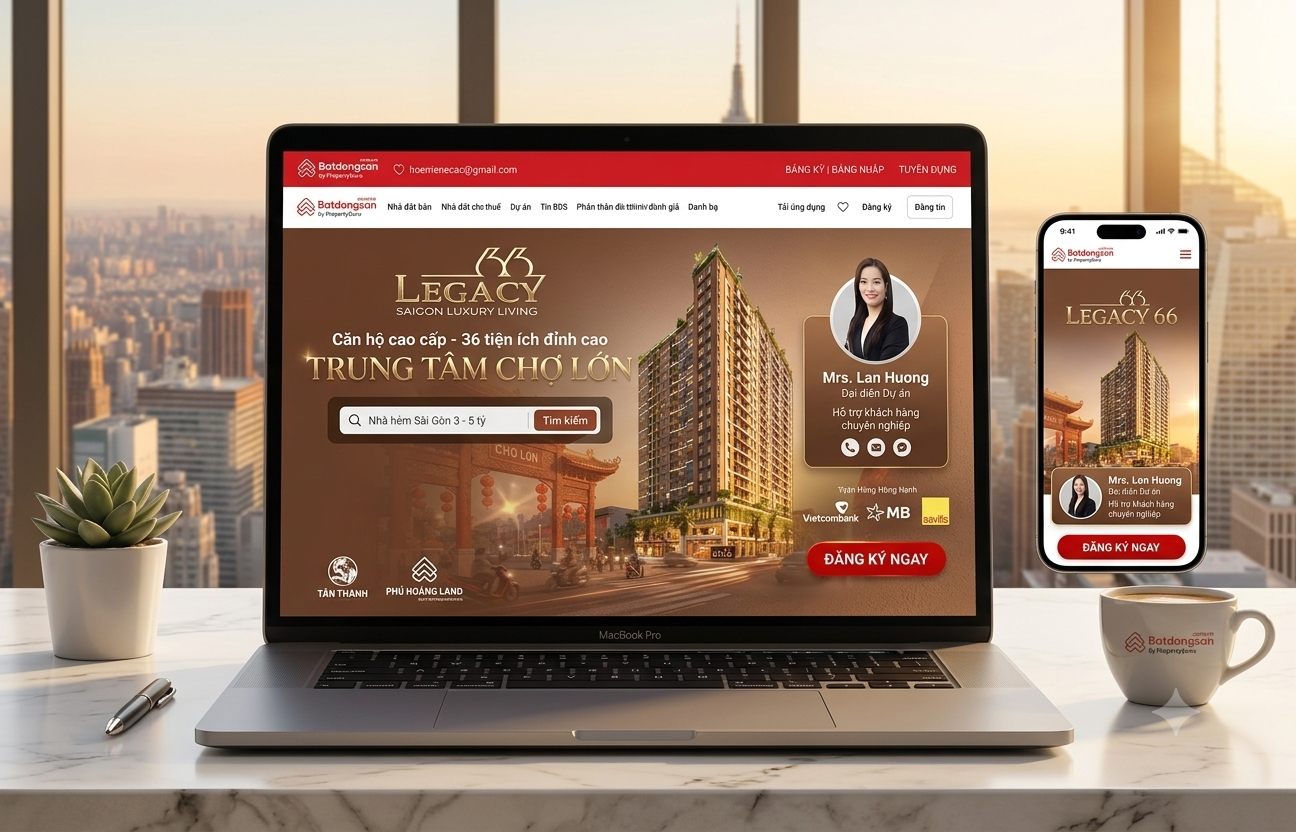
In the real estate industry, customers usually make decisions based on what they see first: the project location, rendered images, floor plans, and payment schedule. A real estate website that loads slowly, lacks high-quality images, or has no clear search filter will lose visitors within seconds, no matter how good the project actually is. TEMP Agency designs real estate websites focused on fast project information lookup, professional visual presentation, and an SEO-ready structure that helps each project rank easily on Google — rather than just another generic corporate website.
It is also a marketing channel with far lower ongoing costs than continuous paid advertising, when invested in correctly from the start.
Why Do You Need Specialized Real Estate Website Design?
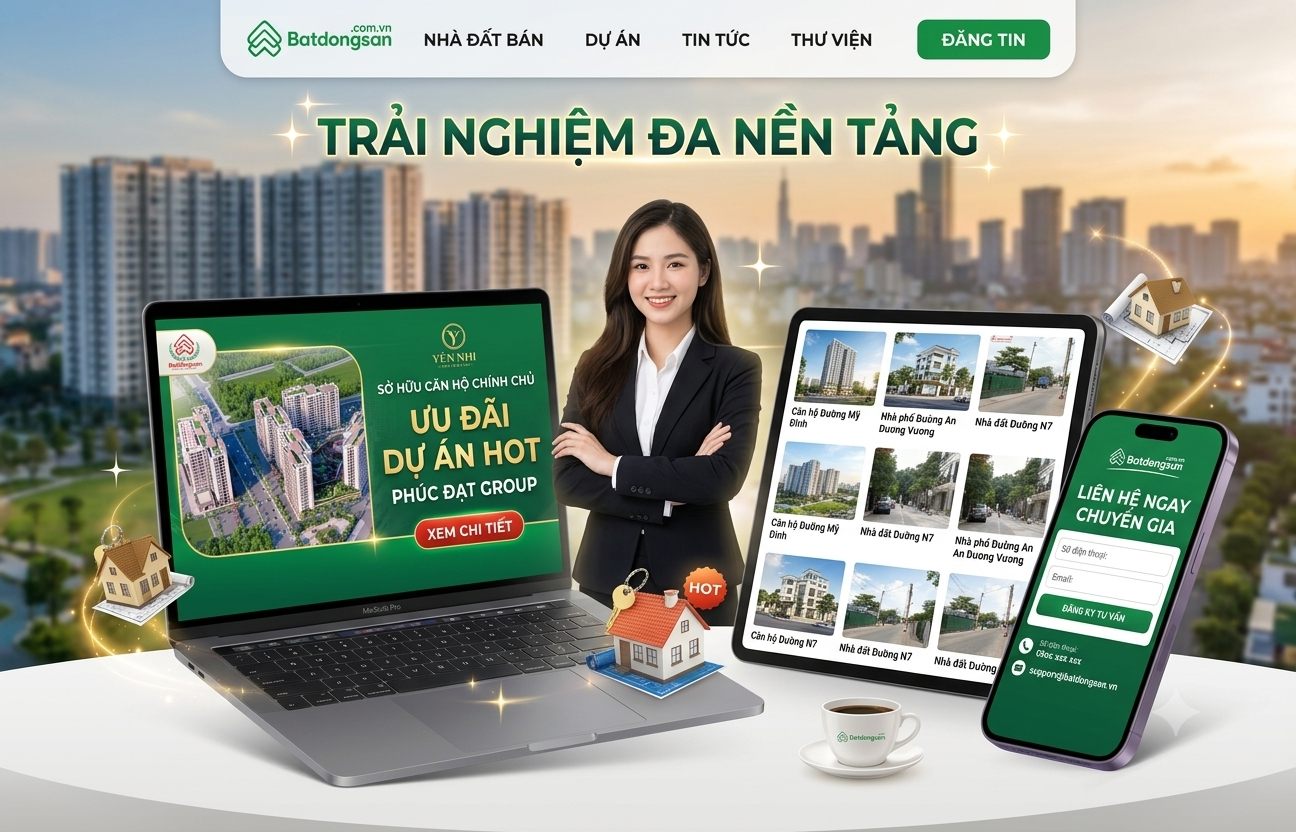
Customers looking to buy or invest in real estate usually go through a long journey before deciding: researching the location, comparing prices, checking legal progress, reading reviews from previous buyers, and only then contacting an agent. If a website doesn’t provide enough information upfront, customers switch to a competitor with a single click. In addition, each real estate project typically needs its own page to optimize keywords around the project name and area, rather than being lumped into one general introduction page — this is a major difference between specialized real estate website design and an ordinary corporate website.
A properly industry-optimized website also helps the sales team shorten consultation time, since customers already know most of the information (price, size, progress) before calling, leading to a higher closing rate. For agencies distributing multiple projects at once, the website also functions as a centralized listing management system, helping sales teams nationwide stay updated with consistent information.
Key Features Your Website Needs
An effective real estate website needs more than an attractive interface. Here are the features TEMP Agency recommends integrating for every project:
- An interactive location map showing nearby amenities (schools, hospitals, shopping malls) so customers can clearly picture the living area.
- Search filters for apartments/properties by price range, size, number of bedrooms, orientation, and legal status, helping customers find the right product in seconds.
- A gallery of rendered images, real construction photos, and drone flyover videos of the project, using lightly compressed formats to avoid slowing down page speed.
- A basic loan interest / payment plan calculator, helping customers estimate costs before contacting a consultant.
- A sign-up form for the latest price list and inventory, placed prominently on every project page, with direct call/Zalo integration.
- A quick comparison feature between projects or units within the same project by price, size, and orientation to support decision-making.
- A construction progress update section by phase, with real on-site photos, giving investors confidence in tracking the handover timeline.
Interface Design Trends
Current real estate website design trends lean toward luxury and minimalism: generous white space, full-width images dominating the screen, neutral color palettes like beige, wood-brown, and navy to evoke trust and prestige. 360-degree virtual tours or model-unit video walkthroughs are becoming standard, especially for remote or overseas investors who cannot visit in person. Beyond that, design must be strongly optimized for mobile, since most customers first look up project information on their phone after seeing a social media ad, before switching to a computer for a closer look.
Many large agencies are also integrating chatbots that automatically answer basic questions about price and progress, helping retain customers even outside the sales team’s working hours.
Target Audience And Search Behavior
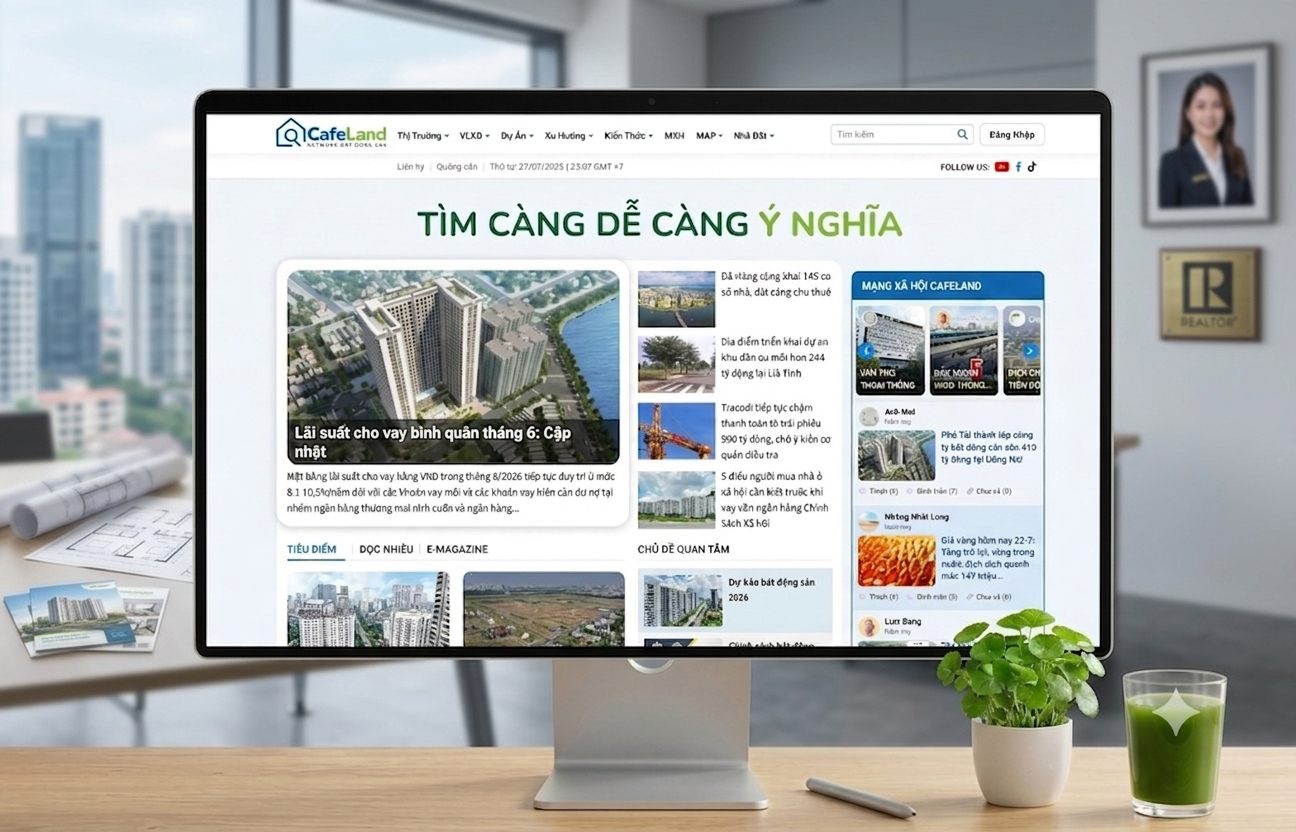
Real estate website visitors typically fall into three main groups with different search behavior: end-users search using keywords tied to amenities and location (near schools, near downtown), investors search using keywords related to return on investment and legal progress, and secondary agents search for sales materials to pass along to their own clients. Understanding these three groups keeps content on-target for each segment, rather than using the same promotional tone for everyone.
End-users tend to spend more time reading about zoning plans and nearby amenities, while investors care more about cash-flow tables and loan policies, so the content structure should clearly separate these two information streams right on the same project page.
Implementation Process At TEMP Agency
TEMP Agency’s real estate website design process begins with a discussion to understand the project segment, target audience, and available images/legal documents. Next, the design team builds a sample interface matching the project’s brand identity, then develops the search filter, map, and sign-up form features. Before handover, the website is tested for load speed and display across multiple devices, and Service schema and BreadcrumbList schema are declared to help Google correctly understand the project page structure.
The entire process usually takes 2–4 weeks depending on the number of projects to publish, and may take longer if an internal listing management system is also needed for the sales team.
What Determines The Design Cost?
The cost of real estate website design depends on several factors: the number of projects to publish, the complexity of the search filters, whether an interactive map or loan calculator is included, and whether multilingual support for foreign customers is needed. A website introducing a single standalone project costs significantly less than a platform managing multiple projects at once with advanced filters and a permission system for multiple sales staff to access and update information.
Clients should clearly discuss their needs so TEMP Agency can recommend the right package — see also the Website Design Pricing page.
Which Package Should You Choose?
For newly established agencies distributing just a few projects, the all-inclusive website package is a sensible choice for quickly getting a professional website without a large upfront investment. For agencies distributing multiple projects at once, or needing advanced filters, an interactive map, and a dedicated listing management system, a custom website package is worth considering to ensure the system matches internal operating workflows.
If the main goal is running ads for one specific project over a short period, a conversion-optimized landing page package is a better fit than investing in a fully-featured website from the start. TEMP Agency can advise combining all three formats depending on your business’s stage of growth.
E-E-A-T And Trust Optimization
TEMP Agency has partnered with many developers and real estate agencies on real estate website design for project showcase sites, with hands-on experience presenting transparent legal information, professional project imagery, and page structures optimized for both users and search engines. The team understands industry-specific requirements such as real-time listing updates, CRM integration for lead management, and compliance with project-disclosure regulations under current real estate business law.
Common Mistakes To Avoid
A common mistake in real estate website design is cramming too many projects onto a single page without clear categorization by area or segment, making it hard for customers to find the right information and hard for Google to know which page should rank for which keyword. A second mistake is using overly high-resolution rendered images without proper compression, significantly slowing page load speed on mobile — where most real estate customers first visit.
In addition, many websites neglect to update unit status (available/sold), causing customers to inquire about products that no longer exist, wasting time and leaving a poor impression on both sides.
Content For Long-Term SEO
For a real estate website to rank sustainably, content should be built using a silo structure: one dedicated page per project, and one hub page per key area summarizing all projects there. Alongside project pages, it’s worth building guide-style articles such as first-time homebuyer tips, comparing bank loan interest packages, or area zoning updates — these informational keywords attract customers from the earliest research stage, before they’ve settled on a specific project to buy.
This content is also an ideal place to internally link back to related project pages, increasing the time visitors spend on the site overall.
Case Study / Real Results
Across the apartment and residential projects delivered so far, the common goal TEMP Agency aims for is helping customers find exactly the information they need within three clicks at most: from the project homepage, to the detailed price list, to the consultation sign-up form. This approach shortens bounce time and increases the number of leads collected each month, while significantly reducing the load on the consultation hotline during peak traffic from new sales launches.
Frequently Asked Questions
Does a real estate website need frequent price list updates?
Yes. Selling prices and unit status change constantly, so the content management system needs to be simple enough for the sales or marketing team to update themselves without depending on a developer.
Can one website showcase multiple projects at once?
Absolutely. TEMP Agency can build a project directory structure with a dedicated page for each project, allowing every project to be optimized independently for keywords and SEO.
Does a real estate website need online payment integration?
Usually not, since real estate transactions happen through direct consultation. The website focuses on providing information and capturing leads rather than processing online payments.
Should a 360-degree virtual tour be integrated for a project?
Yes, if the budget allows — especially for high-end projects or those targeting remote/overseas buyers, since it significantly increases trust and time spent on the page.
How long does it take to complete a real estate website?
On average 2–4 weeks for one project, potentially longer if multiple projects need to be published or advanced features like an interactive map or loan calculator are required.
Does a real estate website need CRM integration?
It’s advisable for larger agencies, helping sync lead data from the website into the sales team’s customer care system and preventing lost leads.
Which package should I choose if I only have one project to showcase?
For a single project, the all-inclusive website package or a conversion-optimized landing page usually fits better than investing in a complex multi-project management system.
If you need a professional real estate website that helps customers easily find and trust your project, leave your details on the Contact page or call our hotline 0987205210 for a consultation from TEMP Agency within 24 hours.