
Before booking a trip, travelers usually spend considerable time browsing destination images, detailed itineraries, and reviews from people who’ve experienced the tour before. A travel website with dull images or a messy itinerary layout struggles to spark the excitement needed for an immediate booking. TEMP Agency’s travel website design focuses on emotive imagery, a clear itinerary organized by route, and integrated online tour booking, helping travel businesses convert prospects into bookings more effectively while building a direct sales channel that isn’t entirely dependent on third-party platforms or distribution agents.
Why Do You Need Specialized Travel Website Design?
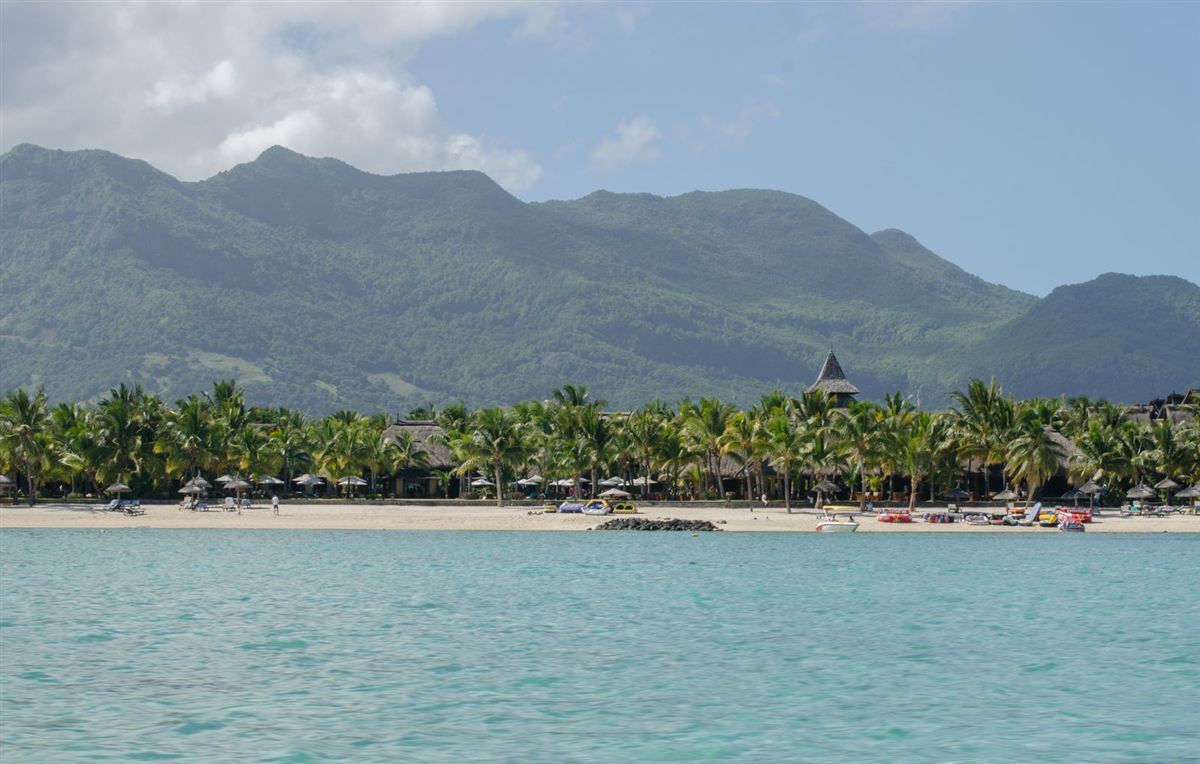
The travel industry sells an experience, not just a product, so the website needs to convey the emotion and appeal of a destination within the first few seconds. In addition, tour prices often change by season, group size, and holidays, so the website needs to be easy to update to avoid pricing confusion. A dedicated landing page structure per route/tour also helps travel businesses optimize keywords by destination name, reaching customers searching for a specific place rather than only competing on generic travel keywords.
In addition, since many tours have fixed departure dates and limited seats, the website needs to clearly convey urgency to encourage early booking rather than delayed decisions. Another unique aspect of the industry is clear seasonality by destination, so content and promotions on the website should also be adjusted flexibly throughout the year to stay relevant to actual customer demand.
Key Features Your Website Needs
An effective travel website needs to be equipped with:
- A dedicated landing page for each route/tour, presenting a detailed day-by-day itinerary with illustrative images.
- A tour price list by season or group size, easy to update to reflect real price fluctuations.
- An online tour booking system, letting customers select a departure date and number of participants.
- A high-quality destination photo/video gallery, conveying the real atmosphere and experience of the trip.
- Reviews and shared stories from previous tour participants, boosting trust for newer tours.
- A travel guide blog sharing experiences, attracting customers currently in the trip-planning stage.
- Displaying remaining seats for each departure date, creating a sense of urgency for earlier booking.
Interface Design Trends
Modern travel website design prioritizes high-quality full-screen images and video, clearly showcasing the destination’s scenery and experience. The layout typically follows a storytelling structure, guiding customers from a desire to explore toward specific itinerary details. Many websites also integrate an interactive map showing the entire tour route, helping customers visualize the journey, along with real photo reviews from previous groups.
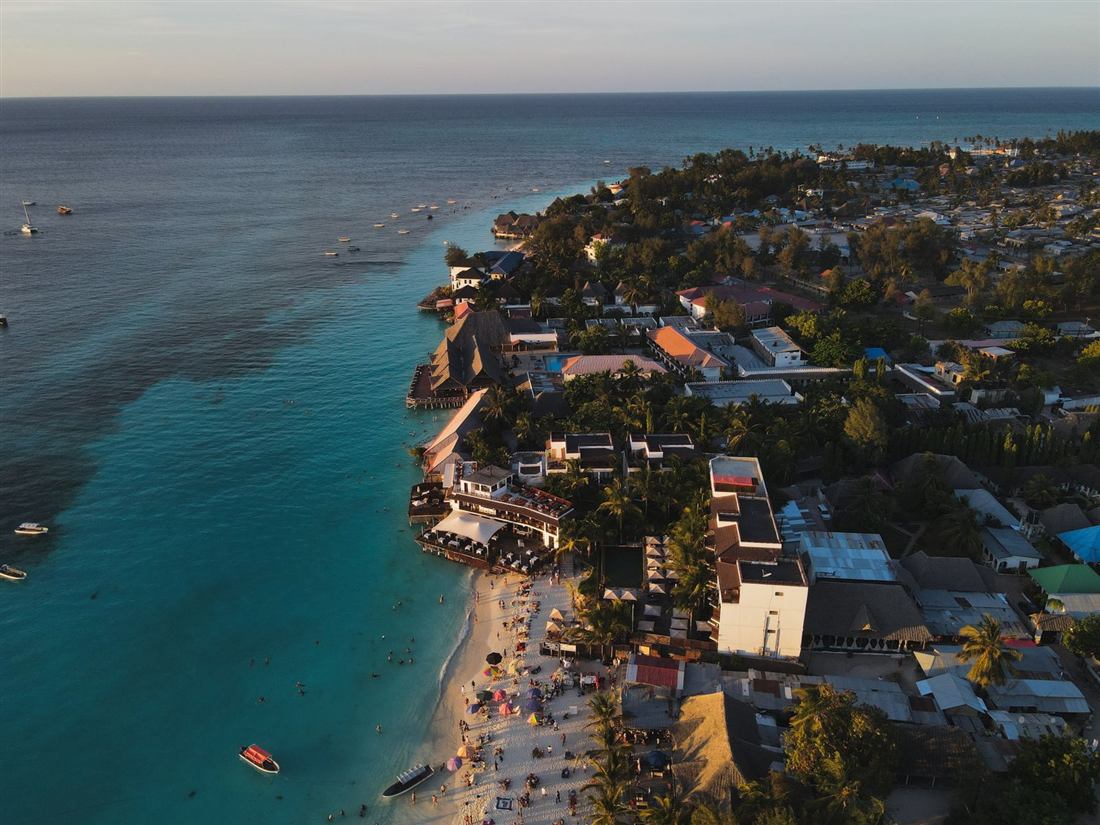
A recent trend also shows many travel businesses integrating 360-degree video or drone footage of the destination, giving customers a more authentic view before deciding to book, especially for lesser-known routes customers have never heard of.
Target Audience And Search Behavior
Travelers planning independently for their family typically search using a specific destination combined with price-related keywords (cheap Da Lat tour, all-inclusive Phu Quoc tour), while corporate customers booking team-building tours care more about group activity programs and the ability to customize the itinerary on request. Younger customers tend to be heavily influenced by social media imagery before visiting the website to check the detailed itinerary, while older customers often prefer calling directly for more thorough consultation before booking.
Implementation Process At TEMP Agency
TEMP Agency builds travel websites through the following steps: gathering images, itineraries, and pricing for each tour, designing an interface that conveys the emotion and experience of the destination, developing the online tour booking system and route map, and optimizing load speed for high-quality images/video before handover. The website is also declared with Service schema for each tour and Review schema if real customer reviews are available.
Implementation typically takes 2–4 weeks depending on the number of routes to publish. During the design process, TEMP Agency also advises on presenting itineraries in a way that’s both thorough and easy to read on mobile, avoiding excessive scrolling for a long multi-day tour.
What Determines The Design Cost?
The cost of travel website design depends on the number of routes/tours needing a dedicated landing page, whether an automated booking system is integrated versus a simple contact form, and the level of investment in illustrative images/video. A travel business with a diverse range of routes needs a more complex content structure than one specializing in just a few fixed routes, resulting in a correspondingly higher cost.
If your business plans to expand into international routes in the future, it’s worth discussing this in advance so the design team can build a website structure that easily accommodates new categories without reworking the entire system.
Which Package Should You Choose?
For a newly established travel business or one with just a few fixed routes, the all-inclusive website package with basic tour landing pages is a sensible choice. For a business with a diverse range of routes wanting to invest long-term in SEO, consider the SEO-ready website package combined with a travel guide blog from the start, to build steady year-round traffic rather than depending solely on peak season or short-term paid campaigns.
E-E-A-T And Trust Optimization
TEMP Agency encourages integrating real reviews from customers who’ve taken the tour, along with real trip photos, since this is the single most persuasive factor for the travel industry — where customers always seek assurance that the real experience will match what’s advertised on the website. Clearly disclosing the travel business license, included travel insurance policy, and the process for handling incidents during a trip are also important trust factors, especially for higher-value tours or international routes.
Common Mistakes To Avoid
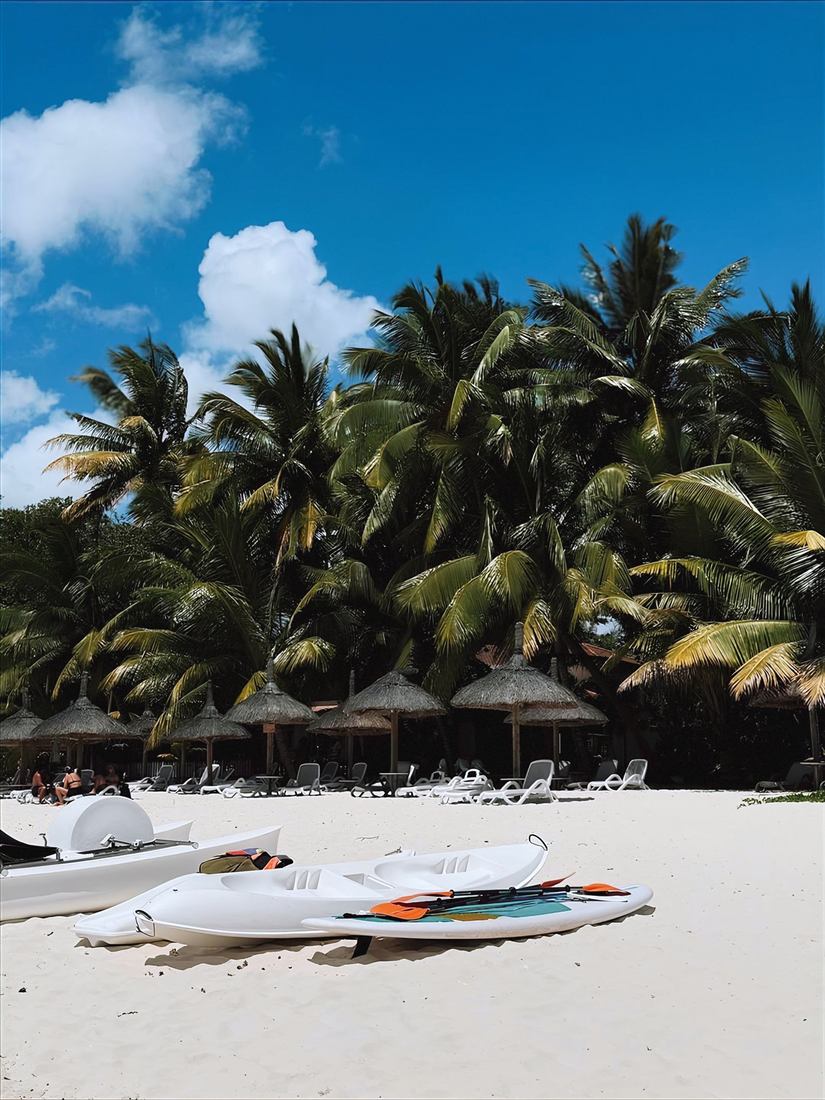
A common mistake is using generic stock images instead of real photos from tours already run, making it hard for customers to trust the real experience. Another mistake is not updating seasonal tour pricing in time, causing information mismatches and disputes when customers book. In addition, many travel websites lack detailed day-by-day itinerary information, forcing customers to reach out repeatedly with questions before deciding to book.
Another mistake is not clearly stating costs not included in the tour price (individual entrance tickets, personal expenses), leading to misunderstandings and a poor experience when customers incur unexpected costs during the trip.
Content For Long-Term SEO
Beyond tour landing pages, a travel business should build a guide blog sharing travel tips by destination, what to prepare before a trip, or self-guided itinerary suggestions alongside promoting all-inclusive tours. This content attracts customers from the moment they first consider traveling but haven’t yet decided to book a tour, helping build brand awareness early in their research journey.
Guide content should also be updated seasonally to accurately reflect the ideal time to visit each destination, maintaining relevance and search rankings year-round instead of focusing only on peak season.
Case Study / Real Results
For travel businesses that have built websites this way, creating dedicated landing pages per route with detailed itineraries has improved rankings for specific destination searches, while increasing the rate of customers leaving booking information directly on the website instead of only browsing and then contacting through another channel like social media or a third-party agent.
Frequently Asked Questions
Does a travel website need online tour booking and payment?
At minimum, include booking and seat-holding features; payment can be flexible via bank transfer or a partial deposit to simplify operations.
Does every tour need its own page?
Yes, a dedicated landing page per tour optimizes for specific destination keywords and presents a detailed, easy-to-follow itinerary.
Does seasonal price fluctuation make the website hard to manage?
No, as long as the content management system is designed simply enough for the marketing team to update pricing themselves without needing technical support.
Should a travel guide blog be included?
Highly recommended, since it’s an effective channel to attract customers from the inspiration and trip-planning stage.
How long does travel website design take?
On average 2–4 weeks, depending on the number of routes/tours needing a dedicated landing page and the level of online booking integration.
Should remaining seats be displayed for each departure date?
Highly recommended, since it creates a sense of urgency that helps customers decide faster instead of delaying and possibly missing the tour.
What package should a small travel business start with?
Start with the all-inclusive package with basic tour landing pages, then expand into SEO-ready and a guide blog once you have several stable routes.
Should 360-degree video or drone footage be integrated for new routes?
Highly recommended for lesser-known routes, since it boosts trust and the desire to explore from the very first view on the website.
If your travel business needs a professional website that conveys the right emotion and increases successful tour bookings from your very first routes, leave your details on the Contact page or call our hotline 0987205210 for a tailored consultation and free quote from TEMP Agency within 24 hours.