

In the interior design industry, customers typically spend a lot of time browsing completed projects before reaching out, since they need to picture whether a design style fits their own living space. An interior design website with dull images or a cluttered layout will struggle to convince customers to trust the designer’s taste and construction ability. TEMP Agency’s interior design website focuses on presenting projects clearly by style/space, integrating a preliminary quote tool, and SEO-ready optimization, helping design-build firms reach the right customers while shortening the initial consultation time since customers already have a sense of style and budget.
Why Do You Need a Specialized Interior Design Website?
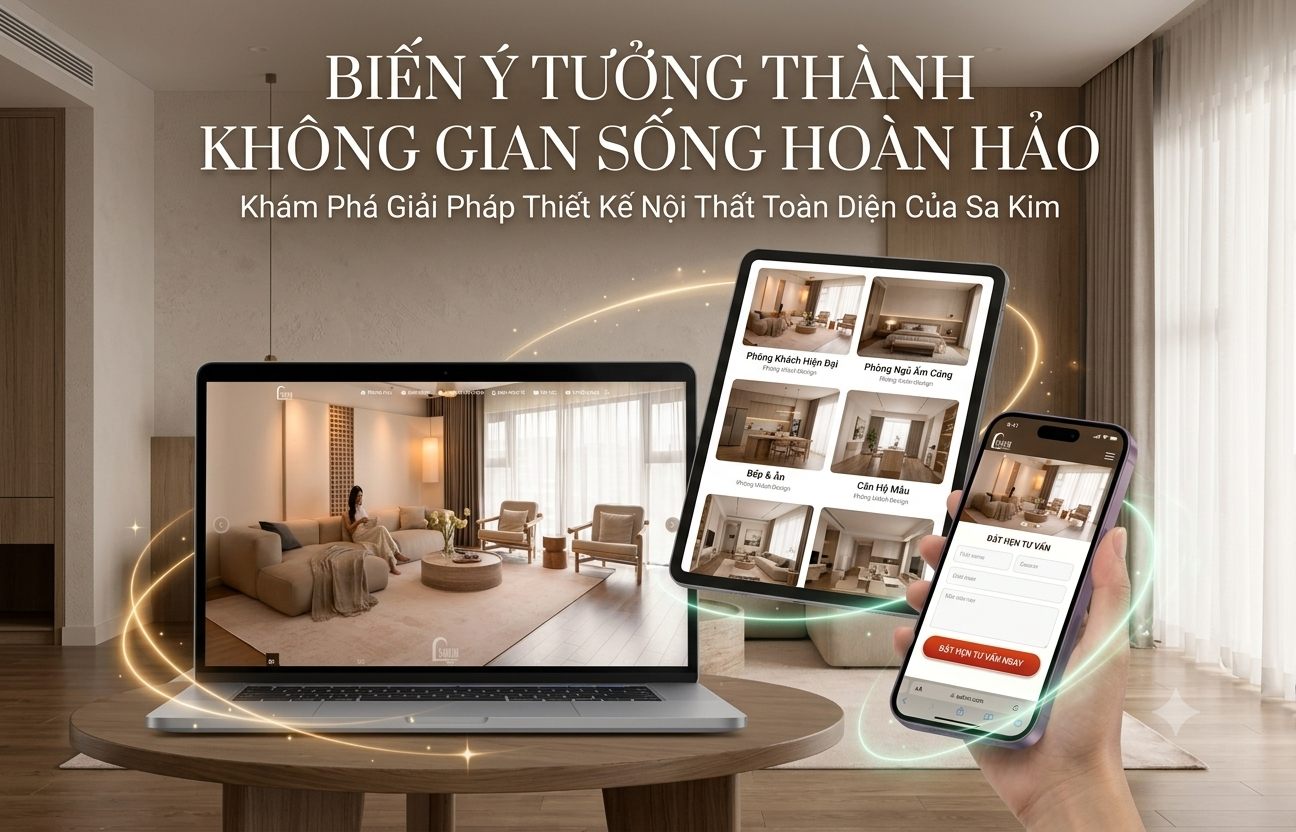
The decision to choose an interior design firm is usually based on aesthetic feel and trust in real construction ability, not just the drawings. That’s why a website that clearly presents completed projects by style (modern, neoclassical, minimalist…) or by space type (apartment, townhouse, office) helps customers easily find an example that matches their needs, increasing the likelihood they’ll leave their contact information. In addition, since interior design is a meaningful, long-term investment, customers typically compare several firms before deciding, so a professional website helps a design firm stand out from the very first round of comparison.
Another factor that heavily influences the decision is actual construction timeline versus the original commitment, so being transparent about completion time for each project type on the website also helps build trust before a customer signs a contract.
Key Features Your Website Needs
A professional interior design website should include:
- A project gallery categorized by design style or space type, making it easy for customers to find a matching example.
- A preliminary quote tool by square meter or by category (living room, bedroom, kitchen…) so customers get a sense of budget.
- Before-and-after renovation comparison images, especially effective for repair and old-furniture-refresh projects.
- A blog sharing yearly interior design trends, attracting customers currently in the design-inspiration stage.
- A free consultation/site-survey request form, collecting area size and desired style information from customers.
- Information about materials and furniture supply partners to boost confidence in construction quality.
- Walkthrough videos or 3D renderings for flagship projects, helping customers visualize the space before actual construction.
Interface Design Trends
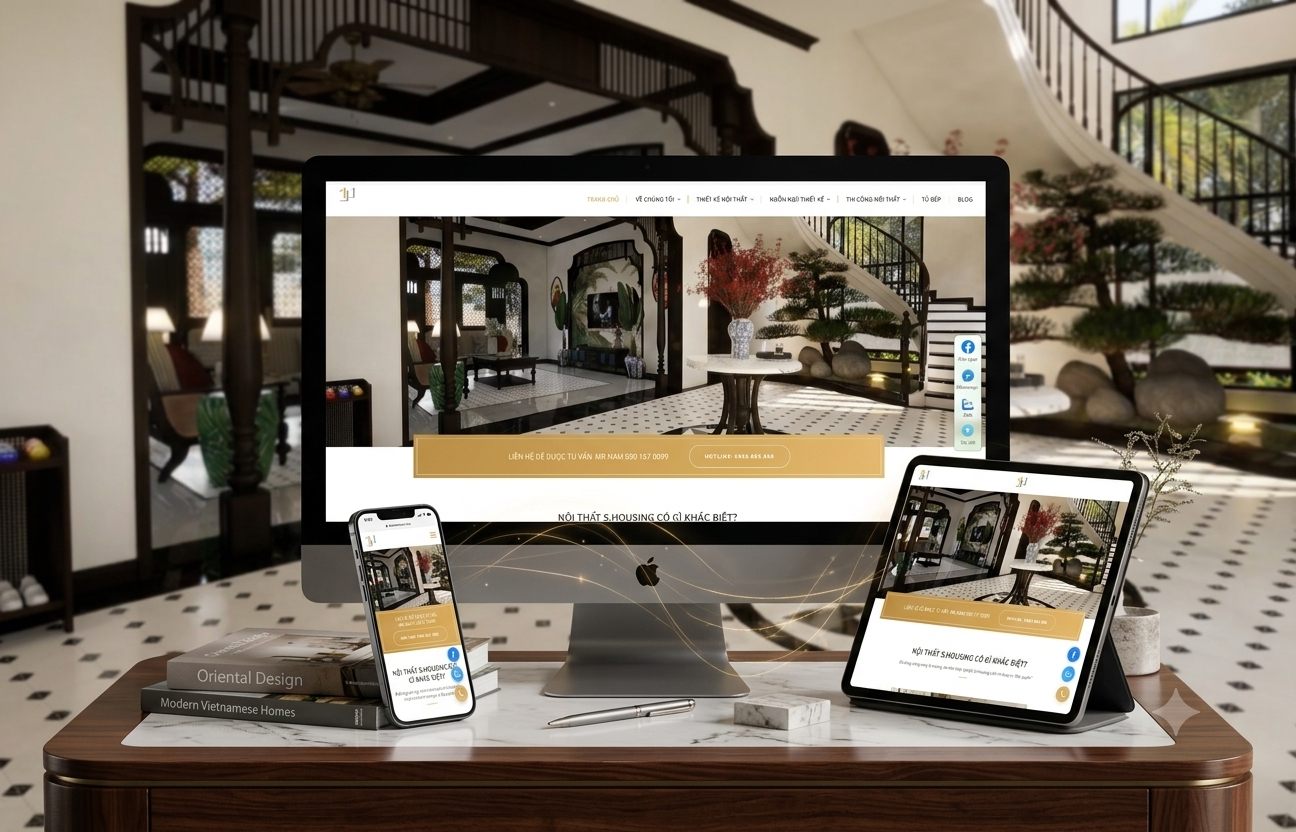
Modern interior design websites typically use high-quality 3D renderings combined with real photos of completed projects, presented in a grid layout so customers can browse many projects at once. Warm tones like beige, wood-brown, and cream white are preferred to highlight the beauty of the furniture pieces shown. Many firms are also integrating virtual walkthrough videos through completed spaces to boost the visual experience, especially effective for high-end, big-budget projects.
A recent trend also shows many firms adding a before-and-after comparison within the same frame, helping customers easily picture the extent of the transformation.
Target Audience And Search Behavior
Customers looking for interior design services are typically people who just bought a new home or are planning to renovate their living space, spending considerable time browsing multiple firms to find a style matching their personal taste before reaching out. Business customers looking for office interior design instead care more about functionality, cost optimization, and construction timeline, so operations aren’t disrupted.
So if a firm serves both residential and business customers, it’s worth separating content for each group rather than merging everything into one introduction page.
Implementation Process At TEMP Agency
TEMP Agency builds interior design websites through the following steps: gathering project images and categorizing by style/space, designing an interface that highlights the visuals, developing the preliminary quote tool and consultation form, and optimizing load speed for high-quality images before handover. The website is also declared with Service schema and a clear breadcrumb structure to support SEO for each project category.
Implementation typically takes 2–4 weeks depending on the number of projects to publish. During the design process, TEMP Agency also advises on ordering project display so the most impressive projects always appear first, rather than sorting purely by upload date.
What Determines The Design Cost?
The cost of an interior design website depends on the number of projects to present, whether an automated quote tool is integrated versus a simple contact form, and the level of investment in the image/3D video library. A firm with many design styles requiring complex categorization will cost more than a website focused on a single dominant style.
Clients should discuss specifics to receive a quote matching their project scale. For firms with their own furniture workshop wanting to showcase a retail product line alongside full design services, cost also increases due to the need for a separate product catalog structure.
Which Package Should You Choose?
For a newly established design firm, the all-inclusive website package with a basic project gallery is a sensible choice for quickly getting a professional portfolio online. For a firm with many projects wanting to build a strong brand on Google, invest in the SEO-ready website package combined with a design-trend blog to attract customers long-term. If you only need to promote one product line or a seasonal offer, a standalone landing page is a more cost-effective choice.
E-E-A-T And Trust Optimization
TEMP Agency encourages clients to provide real data about completed projects (area, construction time, reference cost) rather than just images alone, since this significantly increases persuasiveness and trust with prospective customers comparing multiple interior design firms.
Common Mistakes To Avoid
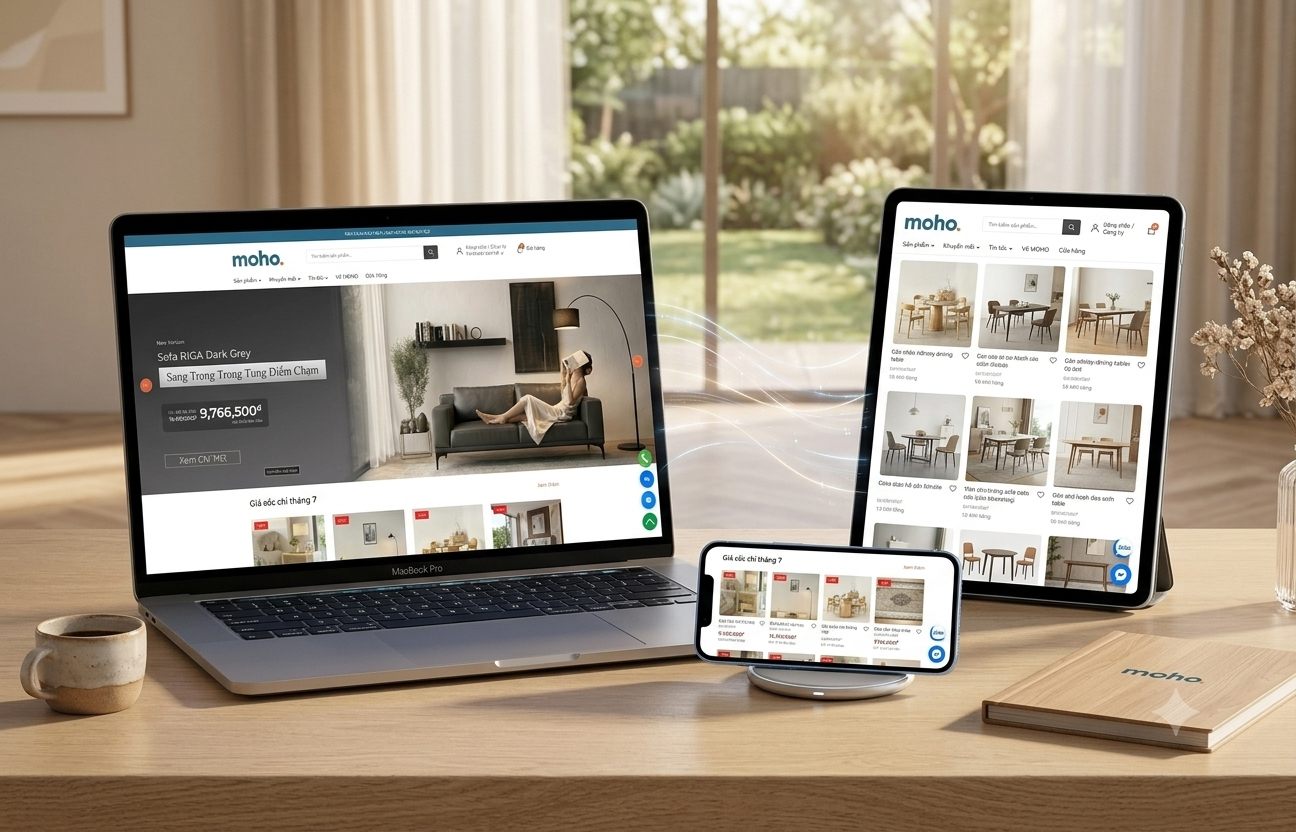
A common mistake is presenting too many uncategorized projects, forcing customers to scroll through many images unrelated to the style they’re looking for. Another mistake is using only 3D renderings without real photos of completed construction, making customers doubt the gap between the drawing and the actual build. In addition, many websites skip a preliminary quote tool, making customers hesitant to reach out because they have no sense of the budget they need to prepare.
Another mistake is not updating the portfolio regularly, leaving customers seeing only old projects and unable to judge the firm’s current capability, especially since interior design styles change fairly quickly year to year.
Content For Long-Term SEO
Beyond the project gallery, a design firm should build a blog sharing yearly design trends, tips on choosing materials suited to the local climate, or small-space optimization tricks. This content attracts customers from the design-inspiration stage, before they’ve settled on a specific firm, and is also a good opportunity to internally link back to the project gallery for each relevant style. This guide-style content is also very well suited for sharing on visual platforms like Pinterest or Instagram, helping expand traffic sources beyond Google search.
Case Study / Real Results
For design firms already using this website approach, clearly categorizing projects by style and adding a preliminary quote tool has made prospective customers more proactive about leaving contact information, instead of just browsing images and leaving without any interaction.
Frequently Asked Questions
Does an interior design website need an automated quote tool?
Not mandatory, but a basic per-square-meter estimator helps customers get a sense of budget before requesting a detailed consultation.
How many projects should be presented on the website?
Select the most impressive projects for each style — image quality matters more than the number of projects displayed.
Is a walkthrough video needed for each project?
If the budget allows, a walkthrough video significantly boosts the visual experience, especially for high-end projects or complex spaces.
Does an interior design website need a blog?
Highly recommended, since a design-trend blog attracts customers who are still in the inspiration stage, before they decide to contact a firm.
How long does an interior design website take to build?
On average 2–4 weeks, depending on the number of projects to present and the level of investment in imagery/video.
Should both 3D renderings and real construction photos be shown?
Highly recommended, since comparing the design drawing against the real result significantly increases trust for customers weighing which firm to choose.
What package should a newly established firm start with?
Start with the all-inclusive package with a basic project gallery, then upgrade to SEO-ready once you’ve accumulated enough flagship projects to showcase.
How should projects be ordered on the website?
Prioritize the most impressive projects with the best image quality at the top, rather than sorting purely by upload date.
Should before-and-after renovation photos be shown in the same frame?
Highly recommended, since this presentation makes it much easier for customers to picture the extent of the transformation compared to viewing two separate images.
If your interior design and build firm needs a professional website that showcases your completed projects beautifully, leave your details on the Contact page or call our hotline 0987205210 for a free consultation from TEMP Agency.