
A corporate website is often the first point of contact between a company and potential partners, customers, or investors — even before they meet in person. A sparse, outdated, or unprofessional website can make partners doubt the company’s real capability, no matter how good the actual product or service is.
TEMP Agency’s corporate website design features a clear structure, consistent brand imagery, and SEO-ready optimization, helping companies build a professional image and easily expand content in the future — without rebuilding from scratch every time the company grows into a new business line or scales up operations.
Why Do You Need Specialized Corporate Website Design?
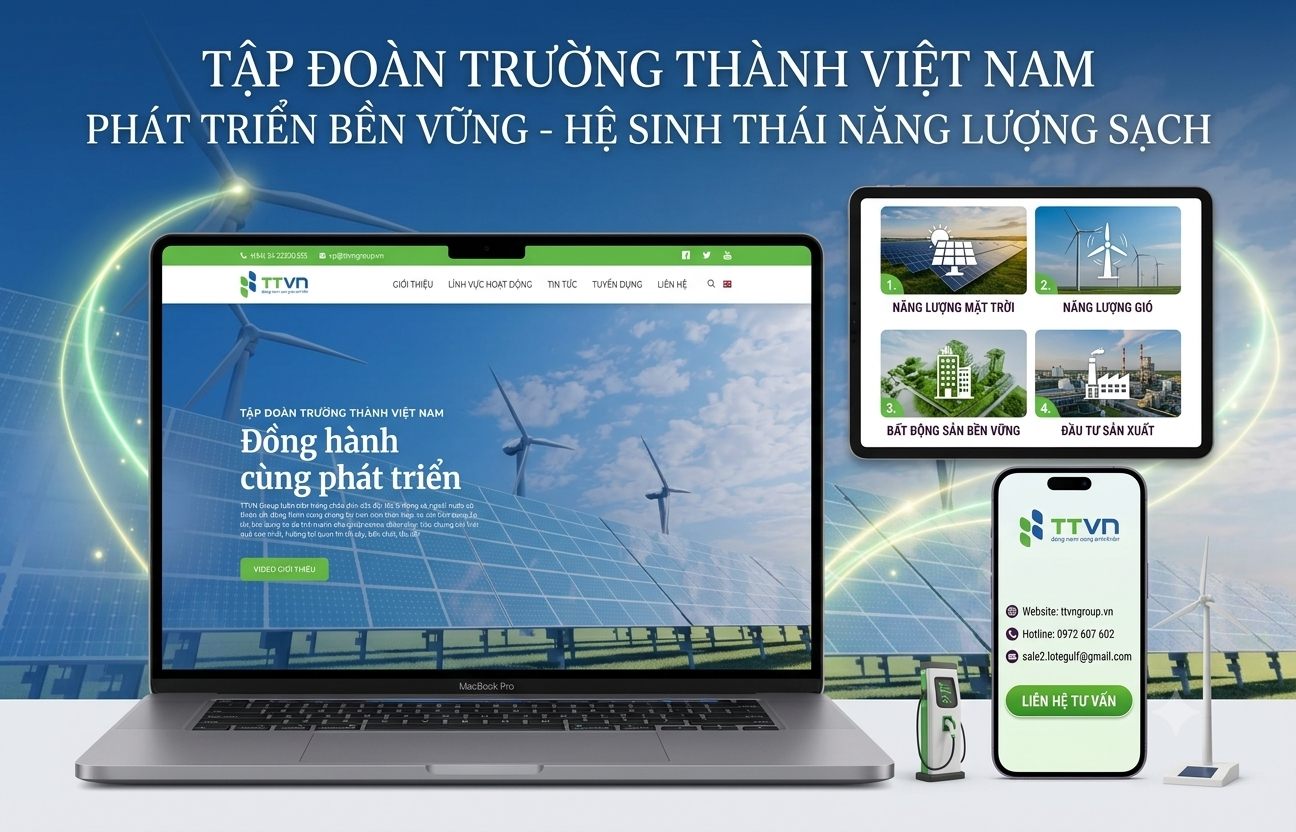
A corporate website functions as an online office — the place partners, B2B customers, or candidates research a company’s capabilities, core values, and flagship projects before deciding to collaborate or apply for a job. Unlike a direct sales website, the corporate website’s primary goal is building trust and brand credibility, while also creating a foundation to expand into service/niche landing pages in the future without rebuilding from scratch.
For B2B businesses, the website is also often the first step partners use to vet capability before moving to more formal collaboration steps. In many cases, foreign partners or investors will check the website before scheduling a meeting, so a professional, up-to-date website with a multilingual version when needed helps a company make a strong impression from the earliest research stage.
Key Features Your Website Needs
A professional corporate website needs the following components:
- A clear company introduction page: vision, mission, core values, and company history.
- A structured product/service catalog, easy to expand as the company develops new business lines.
- A flagship projects/clients page with logos or specific case studies (with consent).
- Leadership/key personnel information, demonstrating the company’s management and professional expertise.
- A careers page (if needed) to attract prospective candidates while showcasing company culture.
- A clear contact/partnership form, categorized by purpose (business partnership, recruitment, customer support).
- A regularly updated news/company-activity page, demonstrating dynamism and transparency to partners and investors.
Interface Design Trends
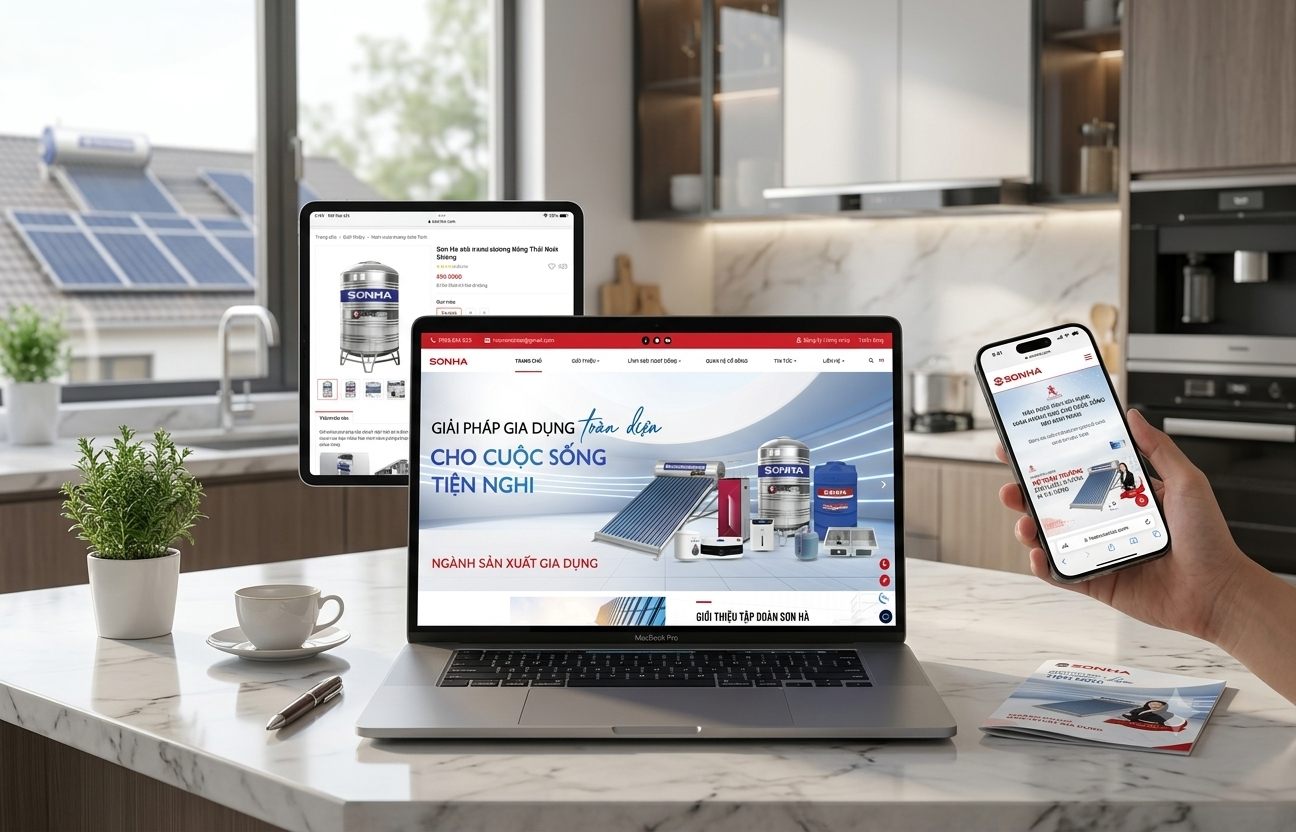
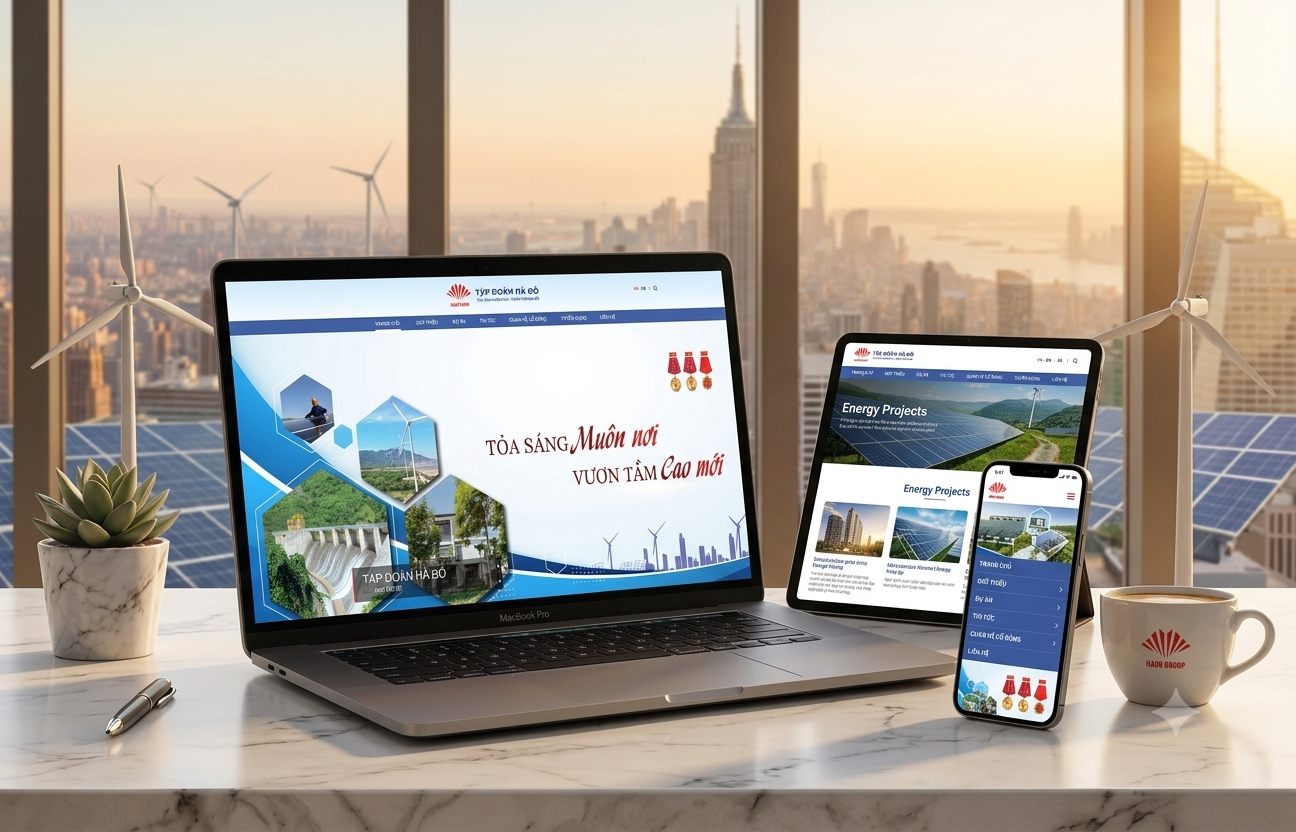
Modern corporate website design leans professional and minimal, tightly synced with the company’s existing brand identity (logo, colors, fonts). The layout is typically clear, organizing content into easily scannable blocks and avoiding overloading a single page with too many details. Many companies also integrate a news/activity-update section to demonstrate dynamism and transparency to partners, as well as a short video introducing the culture and work environment to attract talent.
A recent trend also shows many companies adding impressive numbers (years in operation, projects delivered, customers served) right on the homepage as visual graphics, quickly conveying the company’s scale and credibility.
Target Audience And Search Behavior
B2B partners researching a company through its website are usually at the capability-vetting stage before moving to formal collaboration steps, so they care more about financial capability, delivered projects, and key personnel than eye-catching promotional imagery. Candidates researching the company to apply for a job instead care more about company culture, work environment, and growth opportunities.
Prospective investors typically look for information about business performance, growth, and long-term direction, so the more specific and data-backed the content, the easier it is to build initial trust.
Implementation Process At TEMP Agency
TEMP Agency builds corporate websites through the following steps: surveying the brand identity, products/services, and flagship projects, designing an interface synced with the company’s existing visual identity, developing an easily expandable catalog structure, and testing display across multiple devices before handover with admin guidance. The website is declared with Organization schema and BreadcrumbList schema to help Google correctly understand the company information structure. Implementation typically takes 2–3 weeks for a basic introduction website.
What Determines The Design Cost?
The cost of corporate website design depends on the number of pages needed (about, products/services, projects, careers…), the level of interface customization to match the brand identity, and whether niche service landing pages will be added in the future. A newly founded company needing a basic introduction website will cost less than a business requiring a diverse, continuously expanding content system.
If your company plans to reach international partners or markets, it’s worth budgeting for a multilingual version from the planning stage, rather than adding it later once the website structure is already fixed.
Which Package Should You Choose?
For a newly founded company, the all-inclusive website package with basic introduction pages is a sensible choice for quickly establishing a professional presence online. For a business with multiple existing lines or plans to expand into niche services, invest in the custom website package to build an easily expandable structure from the start, avoiding a full website redesign when developing new business lines in the future and saving significant cost long-term.
E-E-A-T And Trust Optimization
TEMP Agency encourages businesses to clearly present years in operation, awards/certifications earned, and success stories with specific data from past clients, since these are important brand-credibility factors, especially for B2B businesses where the partnership decision often relies on a sense of long-term reliability.
Common Mistakes To Avoid
A common mistake is a website with only generic content, lacking case studies or specific data from delivered projects, making it hard for partners to assess real capability. Another mistake is failing to update company information (new projects, personnel, news) for long stretches, creating the impression the business is no longer actively operating. In addition, many corporate websites are designed with a rigid structure from the start, making it difficult to add new service lines later.
Another common mistake is nearly copying introduction content from a competitor in the same industry, leaving the website without its own identity and making it hard to stand out to partners comparing multiple options.
Content For Long-Term SEO
Beyond the introduction and services pages, businesses should consider building a news/industry-knowledge section to share expert perspectives and market trend updates related to their field. This content helps the website maintain steady traffic over time, while reinforcing the company’s image as a knowledgeable industry player, supporting PR efforts and long-term brand building.
This content is also very useful when the business needs to reshare it on other channels like LinkedIn or a partner newsletter, maximizing the value of a single content investment.
Case Study / Real Results
For businesses that have built a corporate website this way, an expandable content structure from the start has made it easy for many clients to add niche service landing pages later without redesigning the entire website, saving significant time and cost over the long term. Many businesses also report that adding case studies with specific data significantly increased the rate of partners proactively reaching out after reviewing the website.
Frequently Asked Questions
Does a corporate website need a news blog?
Not mandatory, but worth having if the company wants to demonstrate dynamism, share regular updates, and support long-term SEO.
Should I build the corporate website first and add niche landing pages later?
This is a sensible approach, especially for a new company or one that hasn’t yet defined every service line it will develop in the future.
Should a corporate website feature key personnel information?
Yes, for leadership or key expert positions, since it boosts credibility with partners, especially in high-value B2B transactions.
How can a corporate website avoid looking generic like competitors’?
Focus on your own brand story, real project images instead of generic stock photos, and a clear content structure aligned with your target audience’s actual insights.
How long does corporate website design take?
On average 2–3 weeks for a basic introduction website, longer if multiple service landing pages or a careers page are needed from the start.
Does a small business need as many pages as a large corporation?
Not necessarily — start with the core pages (about, services, contact) and expand gradually as the company grows, avoiding an overly spread-out investment from the start.
What package should a newly founded company choose?
Start with the all-inclusive package with basic introduction pages, then upgrade to a custom system when expanding into new service lines.
Should impressive numbers (projects, customers) be displayed on the homepage?
Highly recommended, since specific numbers quickly convey the company’s scale and credibility on the very first visit, far more effectively than generic descriptions without concrete data.
If your business needs a professional corporate website that builds a credible brand image from day one, leave your details on the Contact page or call our hotline 0987205210 for a tailored consultation and free quote from TEMP Agency within 24 hours.