
A growing trend among larger businesses is website accessibility — designing a website so that every user, including those who are blind, deaf, or have limited mobility, can use it fully. This isn’t just a matter of social responsibility; it also delivers real business benefits.
What Is Website Accessibility?
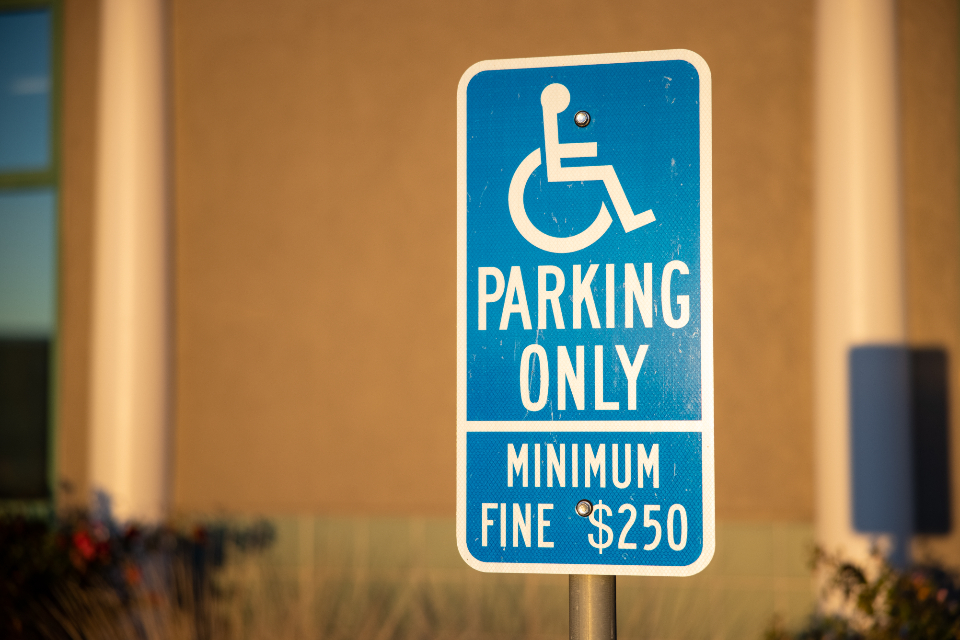
Website accessibility is the practice of designing and building a website so that users with disabilities (visual, auditory, motor, or cognitive) can access, understand, and interact with the content on equal footing with everyone else.
Why Should Businesses Care About Accessibility?
Expanding Your Pool of Potential Users
A significant share of internet users face visual or motor challenges. Good website accessibility ensures businesses don’t miss out on this group of customers.
Improving the Experience for Every User
Many accessibility principles (like clear color contrast and logical heading structure) actually improve the experience for all users, not just those with disabilities.
Indirect SEO Benefits
Many accessibility criteria overlap with technical SEO factors, such as image alt text, clear heading structure, and keyboard navigation — all things Google values highly.
Demonstrating Brand Social Responsibility
Businesses that invest in accessibility are often viewed more favorably in terms of brand image, especially important for larger organizations or those targeting international markets.
Core Principles of Website Accessibility
Clear Color Contrast
Text needs sufficient contrast against its background so users with low vision or color blindness can still read the content comfortably.
Complete Alt Text for Images
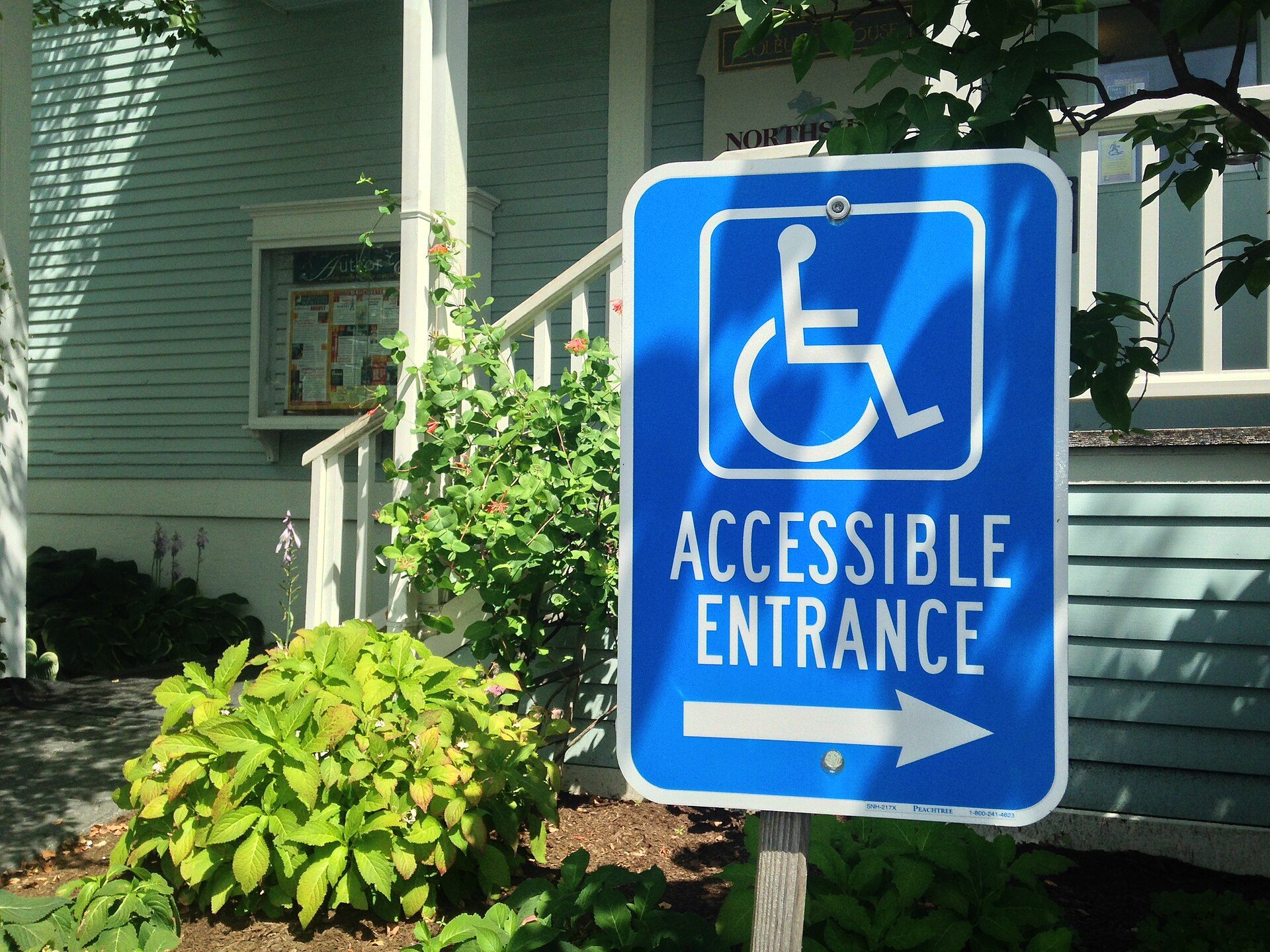
Alt text isn’t just good for SEO — it also helps screen readers describe images to visually impaired users.
Keyboard Navigation
A website should allow users to navigate every function using only the keyboard (Tab, Enter) without requiring a mouse.
Logical Heading Structure
A clear H1-H6 structure helps screen readers read content in the correct logical order, making it easier for visually impaired users to follow.
Captions for Video
Videos on a website should include captions to support users who are deaf or hard of hearing, or who are in environments where audio isn’t practical.
International Accessibility Standards
The most widely recognized standard today is WCAG (Web Content Accessibility Guidelines), published by the W3C, with three levels of compliance: A, AA, and AAA. Most businesses aim for level AA — considered the reasonable standard that balances implementation cost with accessibility coverage.
Don’t miss our articles on responsive web design and UI/UX in website design.
Conclusion
Website accessibility is becoming an important design trend — not just for its social value, but for the real business benefits of reaching more customers and improving SEO. If you want your website designed to be friendly and accessible to every type of user, contact our team for detailed guidance.
You may also find it useful to check out our article on UI/UX in website design and our website design pricing.